
Roofing ContractorGrover Beach, CA
We Fix Roofs in Grover Beach. As a roofing contractor in Grover Beach, we give quotes within 24 hours, honest pricing, quality work that lasts.
Licensed & Insured
Roofing Contractor in Grover Beach You Can Count On
Looking for a roofing contractor in Grover Beach? You've found us. Grover Beach sits in this interesting spot where the old railroad history meets modern beach living. You've got the classic California beach town vibe along Grand Avenue, but head east toward the Arroyo Grande Creek area and the whole environment changes. The neighborhoods near the Ramona Garden Park see different weather patterns than the houses closer to the Oceano Dunes. It's not just one type of roofing challenge here—it's several, all packed into a few square miles.
What makes Grover Beach roofs wear differently than other South County areas comes down to the dunes. That sand gets everywhere. When the wind picks up—and it picks up a lot, especially in spring and early summer—you get sand blasting your roof like nature's power washer. Houses along the streets near West Grand see it worse. The fine particles work their way under shingles, into valleys, around flashing. Over time, that abrasion wears down protective coatings faster than you'd see inland. Add the salt air from being so close to the ocean, and roofs here age in their own specific way.
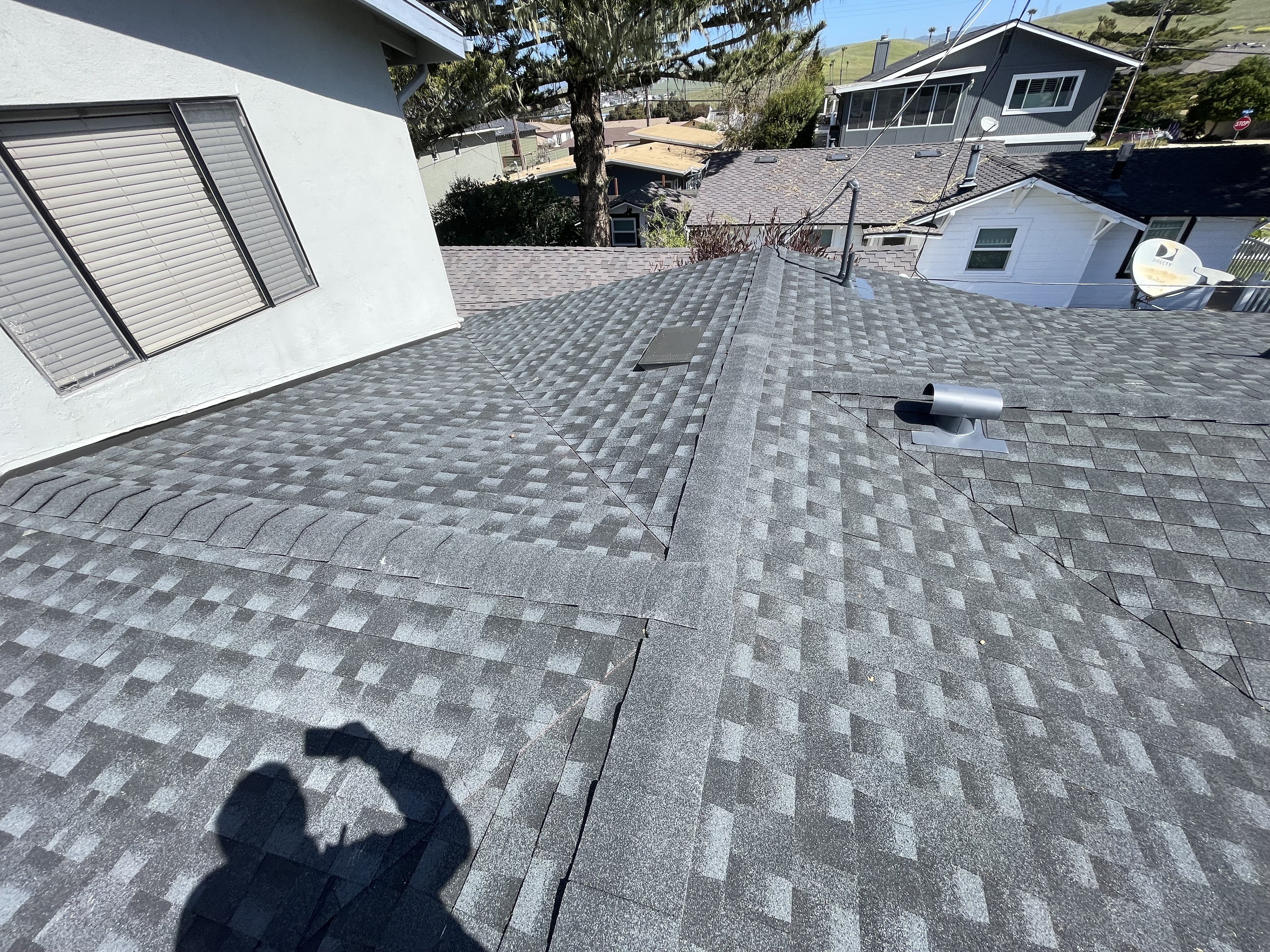
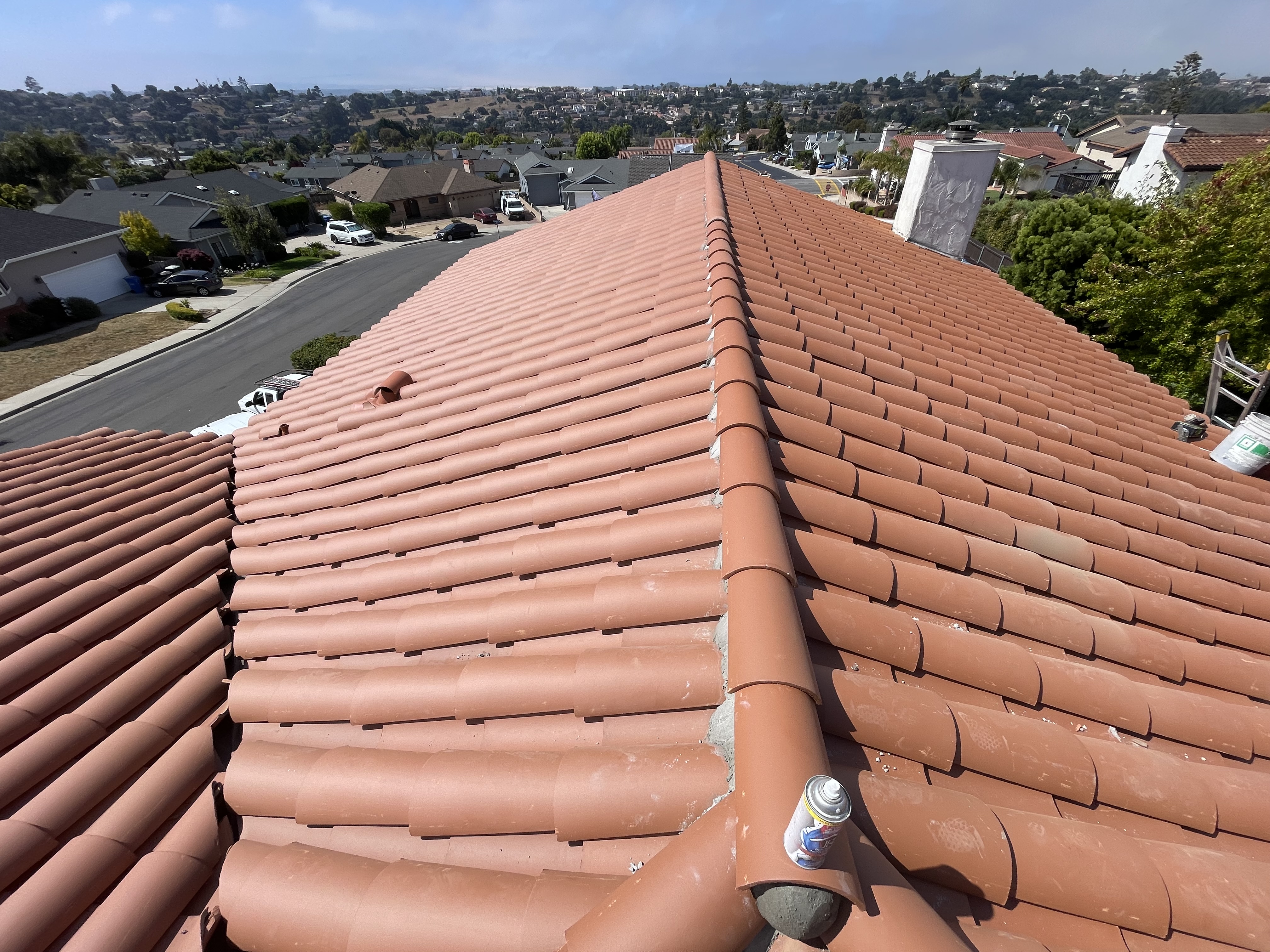
Recent Project in Grover Beach
Why Grover Beach Roofs Are Different
The microclimate situation in Grover Beach creates problems most roofing companies don't think about. The marine layer rolls in thick most mornings, keeping everything damp well into late morning or early afternoon. But unlike some coastal areas where it stays cool and foggy, Grover Beach gets these hot afternoons when the fog burns off. That temperature swing—from maybe 55 degrees and damp at 8 AM to 75 or 80 degrees by 2 PM—makes roofing materials expand and contract more than they would in a steadier climate.
The neighborhoods closer to Highway 1, around the El Campo Road area, deal with both the coastal moisture and the traffic pollution settling on roofs. That combination accelerates deterioration of asphalt shingles. Meanwhile, homes near the railroad tracks and the eastern edge toward Fair Oaks get less direct salt exposure but more afternoon heat. Each zone has its own wear pattern. A roof near Mentone Avenue might fail differently than one near Rockaway Avenue, even though they're the same age and material.
Wind patterns matter here too. The Oceano Dunes don't just affect the beaches—they channel wind through town in specific ways. The streets running perpendicular to the coast get hammered harder than the parallel ones. Roof edges lift, flashing gets tested, and anything not sealed properly for wind exposure starts showing problems within a few years. The eucalyptus trees throughout the older neighborhoods drop branches and debris that most people don't think about until they're dealing with punctured shingles or clogged gutters.
What We Do Around Here
Real Talk About Roofing Costs in Grover Beach
The roofing market in Grover Beach runs higher than inland San Luis Obispo County but lower than the high-end areas up in Pismo Beach. Several factors drive the costs here. First, materials need to be coastal-rated, which means higher-grade products. Second, the labor pool is limited—there aren't dozens of roofing crews in South County, so availability affects pricing. Third, the wear rate is faster, so some homeowners opt for better materials upfront knowing they'll last longer in the harsh conditions.
The permit costs through Grover Beach are reasonable, and the inspection process is straightforward if you know what they're looking for. Some contractors skip permits on repair work, but that creates problems down the road when you try to sell. The city has gotten stricter about enforcement, especially on the older homes near downtown where unpermitted work was common in past decades. Factoring in proper permitting from the start avoids hassles later.
Material costs fluctuate based on the coastal premium. Distributors know that contractors here need salt-resistant products, and that specialty carries a markup. The marine-grade flashing, better sealants, and higher-wind-rated shingles all cost more than standard products. But using standard materials in Grover Beach to save money upfront just means replacing the roof sooner, so it's a false economy.
Labor rates reflect the skill level needed for coastal roofing. A crew that knows how to install for sand and salt exposure charges more than general roofers, but the work lasts. The going rate for quality roofing labor in South County has climbed steadily. The crews that understand the specific needs of Grover Beach's environment stay busy, while cheaper operators leave behind work that fails prematurely. Getting multiple bids makes sense, but the lowest bid usually means corners get cut in ways that matter here.
Why People Keep Hiring Us
As a licensed roofing contractor working throughout South County, the repeat business and referrals in Grover Beach come from understanding the specific conditions here. It's not enough to know general roofing—you need to know why a roof near Mentone Avenue fails differently than one in Atascadero. The neighborhoods around Ramona Garden Park, the homes along the Grand Avenue corridor, the older sections near 4th Street—each area has patterns that experience teaches you to recognize.
The relationship with local suppliers matters. Getting the right materials fast when a storm damages multiple roofs requires having those connections. The relationships with the city building department help move permits efficiently. Knowing which inspectors are particular about what details prevents delays. This local knowledge comes from years of working specifically in these South County beach communities.
Homeowners here appreciate straight talk about what their roof actually needs versus what they can put off. The sales pitch that works in San Luis Obispo doesn't land the same in Grover Beach. People here are more practical, more aware of costs, and they've usually gotten burned by a contractor before. Showing up when you say you will, doing the work properly for the environment, and not disappearing when warranty issues come up—that basic professionalism goes further than fancy marketing.
The work in neighborhoods from West Grand to Fair Oaks builds on itself. One good roof leads to neighbors asking questions, which leads to more work. The beach community talks, and word travels fast about both good and bad contractors. Maintaining that reputation means not cutting corners even when no one would notice, because eventually someone notices. The roofs installed ten years ago in the Ramona area are still performing well, and that track record matters more than any advertising.
Common Problems We See Around Grover Beach
Sand infiltration under roofing materials: The Oceano Dunes aren't just a tourist attraction; they're slowly sandblasting every roof in western Grover Beach. That fine sand works under shingle edges, gets between tiles, and accumulates in valleys. Over time, it abrades protective coatings and holds moisture against materials that should dry out. The houses within a half-mile of the beach see this most severely, but even homes near Highway 1 get enough wind-blown sand to cause problems.
Salt corrosion of metal components: Flashing, nails, fasteners, and metal valleys corrode faster here than almost anywhere inland. The salt air is relentless. Houses near West Grand Avenue can have rust forming on exposed nail heads within two years. Galvanized flashing that should last twenty years might make it ten. This is why marine-grade materials matter—standard roofing supplies from the big box stores won't hold up.
Eucalyptus debris damage and gutter clogging: These trees are everywhere in the older neighborhoods, and they shed constantly. The bark strips off in pieces, the leaves fall year-round, and the seed pods clog gutters like nothing else. Beyond the clogging, the tannins in eucalyptus leaves stain roofs and the constant moisture from the debris sitting on shingles encourages rot. Many homes near Ramona Garden Park deal with this constantly.
Morning fog condensation mistaken for leaks: The marine layer creates condensation in attics that drips down and makes homeowners think their roof leaks. The temperature differential between the cold outside and warmer attic air causes moisture to condense on the underside of roof decking. Proper ventilation prevents this, but many older homes near 4th Street don't have adequate attic ventilation. Distinguishing between actual leaks and condensation requires experience.
Rapid shingle deterioration from temperature cycling: The morning-to-afternoon temperature swings here age shingles faster than steady climates. Asphalt shingles expand when warm and contract when cool. Doing this daily, year after year, creates stress cracks and allows granules to come loose. Roofs in Grover Beach often show significant wear at the seven-to-eight-year mark that would take twelve to fifteen years inland.
Wind edge lifting on exposed elevations: The prevailing northwest winds hit certain roof orientations harder. South and west-facing slopes near the coast get hammered. Edge shingles lift if not properly sealed, and once one lifts, the wind gets under the next one. The neighborhoods along Grand Avenue see this after every significant wind event. Proper installation with extra adhesive in high-wind zones prevents it, but many roofs were installed to minimum standards.
Underlayment failure before tile or shake fails: The tile and wood shake roofs throughout the older sections of town often have underlayment that's completely shot while the top material still looks decent. The morning dampness saturates the underlayment daily, and over years it deteriorates. When leaks start, tearing off the roof reveals underlayment that's barely holding together. This surprise often turns a simple repair into a full replacement.
Inadequate drainage on low-slope sections: Many homes here have combination roofs with sections at different pitches. The lower-slope areas don't drain well, especially when sand and debris accumulate. Standing water accelerates wear and eventually causes leaks. The newer developments toward Fair Oaks were built with better drainage, but homes from the 60s and 70s often have these problematic low-slope sections that need attention.
Service Area Around Grover Beach
We cover all of Grover Beach, from the beach neighborhoods along West Grand Avenue to the eastern residential areas near Fair Oaks and El Campo Road. The service area extends through the downtown district around Grand Avenue, the older neighborhoods between 4th and 13th Streets, and the areas surrounding Ramona Garden Park. Each section of town has its own roofing personality based on age of construction, proximity to the ocean, and tree coverage.
The work naturally extends into the adjacent communities—down into Oceano where the dune influence is even stronger, and up into the Pismo Beach areas where the challenges are similar. The whole South County coastal strip from Oceano to Shell Beach deals with comparable environmental factors, so the expertise developed in Grover Beach applies throughout this zone. The neighborhoods around Mentone Avenue and Rockaway Avenue see regular service, as do the properties along the railroad corridor.
Questions People Ask Us
When to Call Us
- Visible damage after windstorms or winter weather
- Missing or lifted shingles anywhere on your roof
- Water stains appearing on interior ceilings or walls
- Your roof is approaching fifteen years old in the coastal zone
- Granules from asphalt shingles collecting in gutters
- Sagging sections or obvious structural concerns
- Flashing around chimneys or vents showing rust or separation
- Planning to sell and want a roof assessment for disclosure
- Neighbors getting roof work and you're wondering about yours
- Moss or algae growth visible from the ground
- Previous repairs that didn't solve the problem
- Daylight visible from inside your attic
Ready to Fix Your Roof?
Call (805) 720-7173 or request a free estimate. We'll inspect your roof and give you honest answers.
Roofing services in Grover Beach
The same crew handles these services throughout Grover Beach and the Central Coast. For a standing seam or panel roof, see our metal roofing page.