A roof doesn't have to leak to have a problem. Loose shingles, raised nails, and poorly installed flashing can be warning signs long before water shows up on your ceiling.
At RoofTop Company, the details we watch most closely are ventilation, valleys, exposed fasteners, and flashing around chimneys and walls. A roof can look good from the street while problems in those areas go unnoticed.
Here's what homeowners should look for, what those signs can mean, and when to get an inspection.
Loose Shingles and Nails Popping Up
Shingles that lift, slide out of position, or look loose deserve a closer look. On a recently installed roof, they raise questions about fastening and sealing. On an older roof, age, weather, and the condition of the decking may also play a role.
Raised nails are another concern. A nail pushing upward can lift the shingle above it, while an improperly placed exposed nail can create an entry point for water.
Exposed fasteners need to be assessed in context. Some roofing systems, including certain metal roofs, use exposed fasteners by design. What matters is whether the fastener belongs there and whether it was installed and weatherproofed according to the system's requirements.
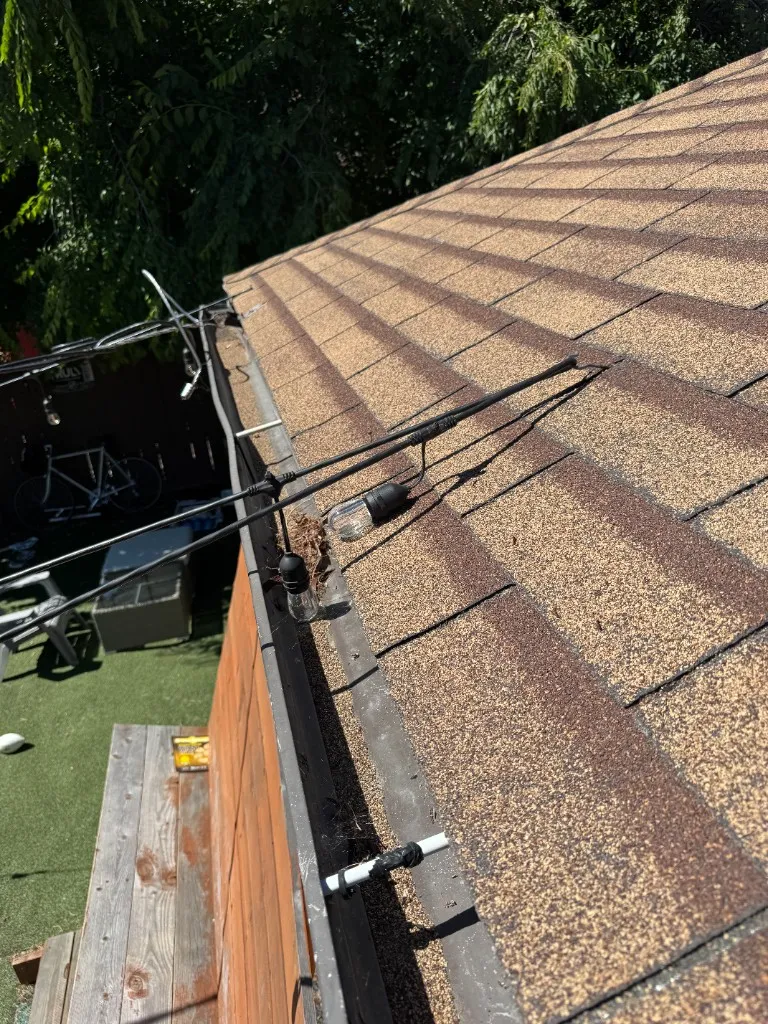
From the ground, look for shingles sticking up, missing sections, or noticeably uneven areas. Binoculars or your phone's zoom can help. Leave roof access and hands-on inspection to a professional.
Poorly Installed Flashing Around Chimneys and Walls
Flashing is the material that directs water away from roof joints and openings. It matters around chimneys, skylights, plumbing vents, and anywhere the roof meets a wall.
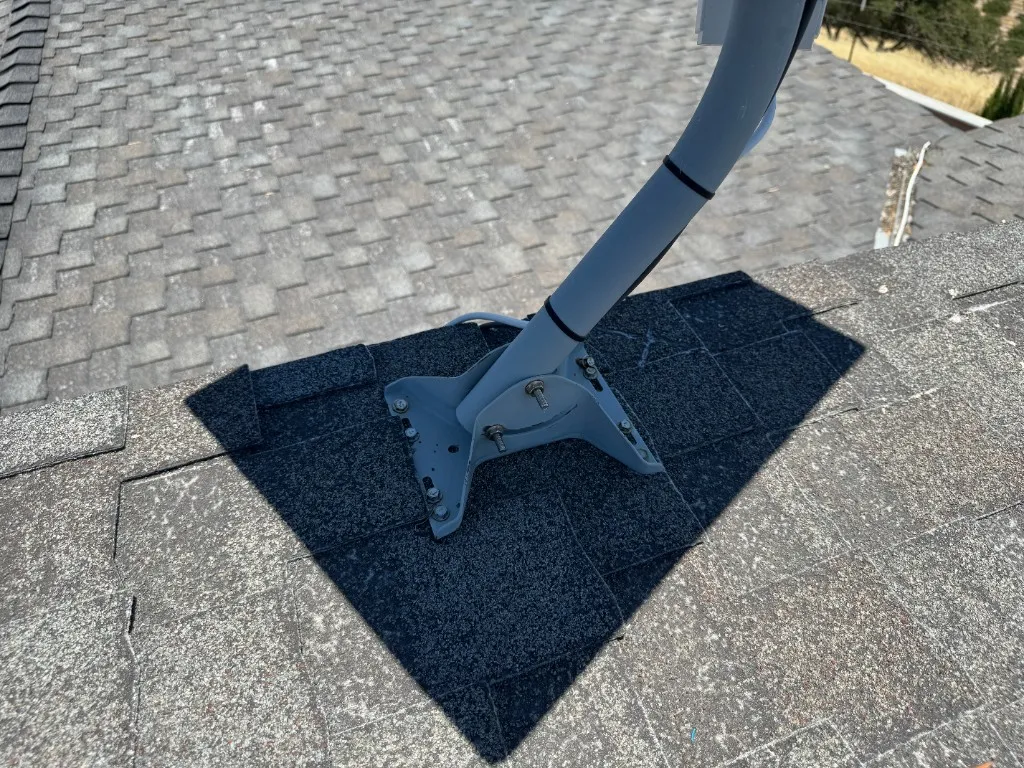
Chimneys are one of the first places we check during an inspection. They have several transitions where water must be directed away, and a single mistake can let moisture in beneath otherwise sound roofing.
Warning signs include:
- Flashing that looks loose, bent, or pulled away
- Visible gaps where roofing meets a wall or chimney
- Heavy patches of caulk or roofing cement covering questionable connections
- Recurring stains or leaks near those areas
Sealant has legitimate uses in roofing, but it can't compensate for an incorrectly built flashing detail. Proper flashing relies on placement and overlapping layers to direct water away.
An Example: A Flashing Problem Hidden by Caulk
Imagine a roof-to-wall connection with poorly fitted flashing and a thick bead of caulk covering the gap. It may look sealed when the work is finished. As the sealant deteriorates, water can get behind the connection and reach the wood underneath.
A lasting repair may mean removing the affected roofing, checking for damaged wood, and rebuilding the flashing detail. Adding another layer of caulk leaves the original problem unresolved.
This is an illustrative example, but it shows why a clean-looking surface doesn't tell the whole story.
Valley Details That Raise Questions
A valley is where two roof slopes meet. It carries runoff from both slopes, so installation details matter even more here.
At RoofTop Company, we favor metal valleys where appropriate for the roofing system. They provide a defined channel for water, but the metal still needs to be fitted and installed correctly.
Look for debris buildup, damaged material, lifted edges, or questionable patches along the valley.
A valley without visible metal is not automatically a bad installation. Certain shingle systems allow closed-cut valleys, where shingles cover the valley. The right question is whether the method is approved for the product and installed correctly. GAF, for example, permits both open and closed-cut methods for its laminated shingles.
Ask your contractor which valley method they're using and why it suits your roof.
Missing or Inadequate Ventilation
Ventilation is another detail we regularly evaluate. At RoofTop Company, we install roof vents when the roof and attic design call for them.
For a vented attic, adding exhaust vents alone isn't the whole solution. Air needs a suitable intake path, typically near the eaves, and an exhaust path near the top of the roof. Blocked intake can undermine the entire arrangement.
Ask your roofer:
- Does my attic have adequate intake and exhaust ventilation?
- Are existing vents blocked or ineffective?
- What ventilation changes are included in the work?
Some homes use intentionally unvented roof assemblies, so the absence of visible roof vents doesn't by itself prove poor workmanship. The ventilation approach needs to fit the building.
Fiberglass Showing Through the Shingles
If shingles have lost enough surface material that the fiberglass mat is visible, have the roof assessed.
Exposed fiberglass is generally a sign of deterioration rather than proof of poor installation. The distinction matters: a worn-out roof and a badly installed roof may need different solutions.
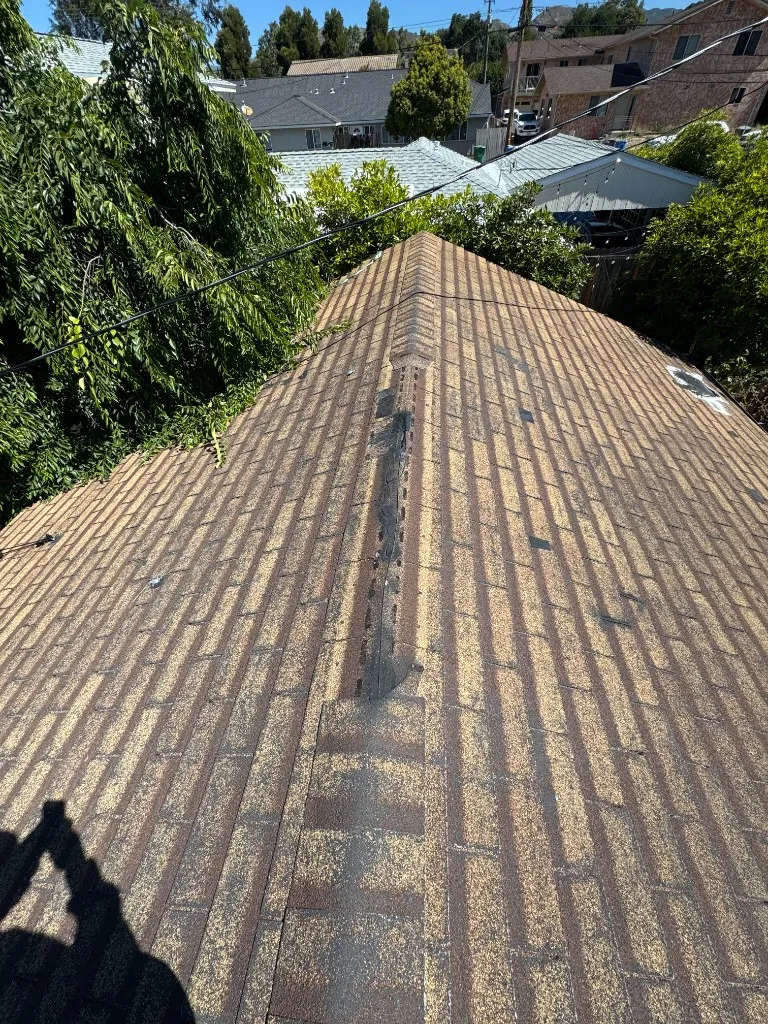
Either way, don't dismiss exposed fiberglass, widespread bare patches, or loose shingles just because you haven't noticed a leak.
Ask About Warranties and Required Inspections
A good-looking roof should also come with a clear explanation of who stands behind it.
Ask about both the manufacturer's material warranty and the contractor's workmanship warranty. They cover different things, and terms vary. Get the coverage, exclusions, and claim process in writing.
At RoofTop Company, we believe standing behind the work gives homeowners peace of mind. A warranty should make it clear whom to contact if a problem develops.
Where a local inspection is required, ask for confirmation that the work passed. It's an important checkpoint, but it doesn't replace proper installation or a clear workmanship warranty.
Does a Questionable Roof Need Replacement?
Not necessarily. Our approach is to repair a roof when a sound repair is practical.
We use roughly 30% as a point to compare options more carefully: if repairs approach 30% of replacement cost, or damage affects about 30% of the roof, replacement deserves consideration.
Those are working guidelines, not automatic cutoffs. The roof's age, remaining condition, underlying damage, and whether the problems are isolated or widespread all affect the recommendation.
A localized flashing problem on an otherwise healthy roof may be repairable. Repeated leaks across an aging roof call for a broader assessment.
What to Do If Something Looks Wrong
Start with an inspection. Photograph concerns you can safely see, note when leaks occur, and keep your contract and warranty documents together.
For a newly installed roof, ask the original contractor to review the findings and explain the proposed correction. If the explanation leaves you uncertain, get an independent assessment.
The goal is to identify the cause early. Waiting for a ceiling stain can mean waiting until water has already reached the materials beneath the roof.
Concerned about your roof? RoofTop Company provides roof inspections, repairs, and replacements throughout California's Central Coast.